Farms & Factories
- Kristen M.

- Dec 4, 2018
- 2 min read
Updated: Dec 6, 2018
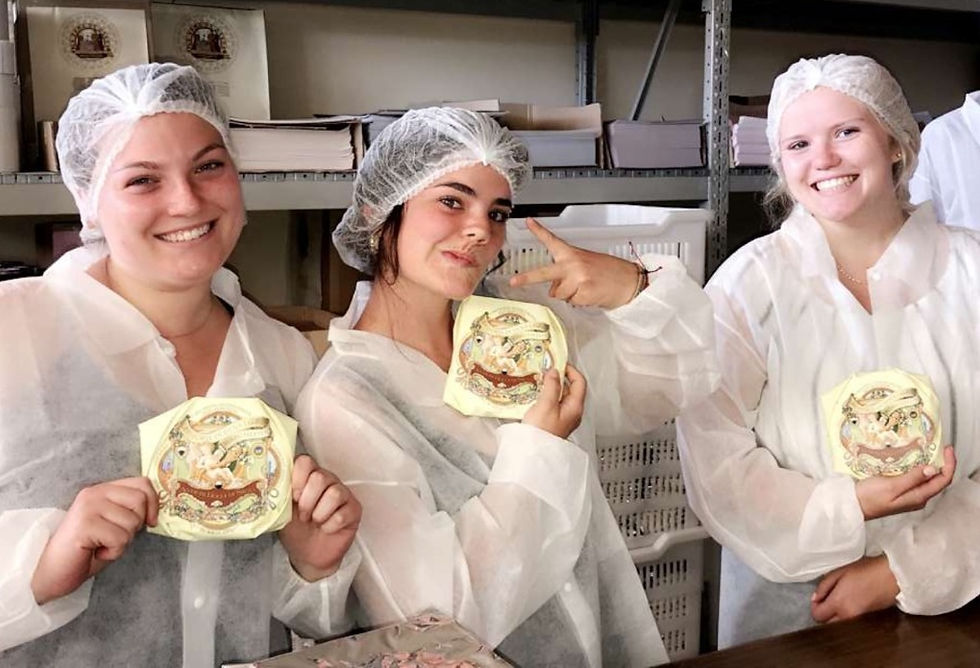
The theme of this trip is nature and culture sustainability. Food plays an important part in both natural sustainability and cultural sustainability. We had many opportunities to see that first hand. First we visited the Panforte factory, where we were able to see the making of these traditional Siena treats. The Panforte produced in the facility that we toured is Identification of Geographical Protection (IGP) certified, which means that it is made using the traditional recipe that has been used for hundreds of years. Talk about cultural sustainability! The production was such a small scale, but they are shipping them all over the world. They can do this because they are only produce and store enough product to meet their demand exactly, they do not over produce. Any ingredient that is able to be sourced in Italy (based on supply) is sourced from Italy. It was interesting to see how the technology was incorporated into their production process but they still stayed true to the tradition. The craziest part was that they hand wrap each Panforte! They showed us how and I gave it a shot. Also, Panforte is delicious!
The next day we visited a lovely organic and education farm called Spanocchia. They raise over 150 pigs that are native to Siena, and get to live a great life on this farm. They roam freely and eat only organic grains grown on property, and use only natural medicine. They also harvest a variety of fruits and vegetables on the farm as well as produce olive oil and wine. The farm strives for sustainability by growing crops that benefit each other and the soil.
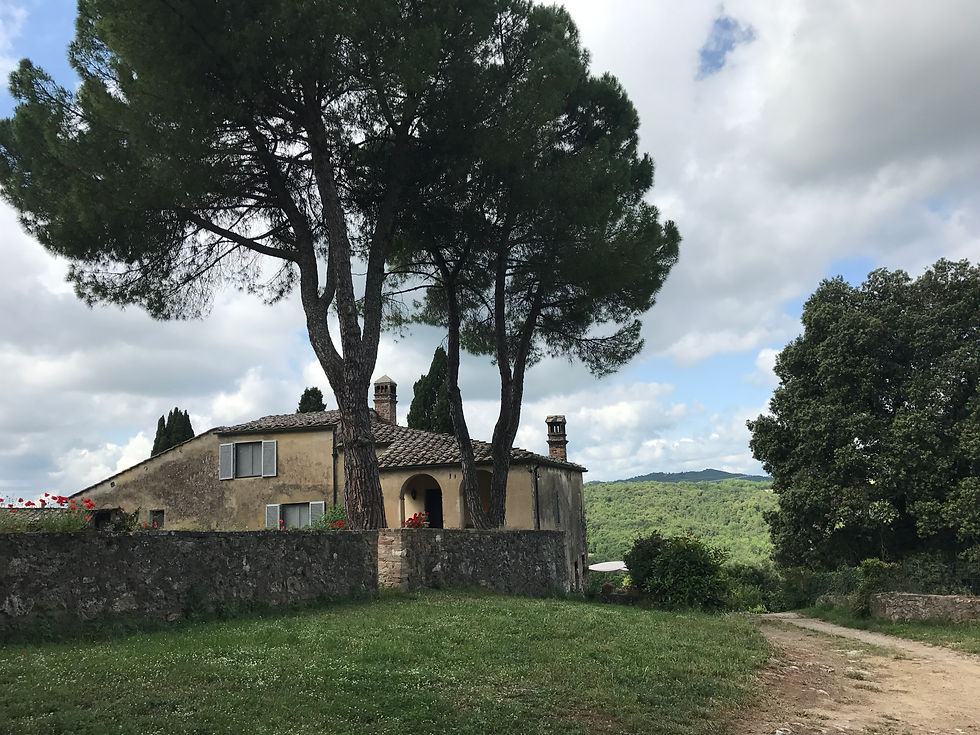
We also visited a co-op cereal farm which was very different than Spannochia. There was a winery on property with some very delicious wine. The cereal farm is 650 hectares, 150 of which the family maintains. They were telling us about how they change their harvest based on what is in demand. We learned a lot about the laws around farming and government influence. The European Union does not allow monocultures or GMOs in Italy, both of which can be very harmful to the environment, so I think this is great and should be adopted here in the United States. This does not stop some GMO products from being imported to Italy though. The cereal farm was beautiful and it was fascinating to learn about the choices that the farmer is making and why, because there is always a reason. It was also interesting to learn about how they are incorporating new technology into their production.


Comments